If you are trying to work out how long it takes to paint a house, the answer is never as simple as a set number of days. The size of your home plays a part, but so do the condition of the surfaces, the amount of prep work, the type of paint job, the number of coats, and whether the work is inside or outside.
Below, we break it down properly so you can get a more realistic sense of the timeframe and understand what tends to speed a job up or slow it down.
Quick Answer: How Long Does It Take to Paint a House?
In most cases, painting a house takes anywhere from a few days to a couple of weeks. A smaller interior repaint may take two to four days, while a full exterior repaint on a larger home can take a week or more. The final timeframe depends on the size of the house, the amount of prep work, the number of coats, and whether the job is inside or outside.
How Long Does It Take to Paint a House Interior?
Interior painting can take anywhere from a day or two for a small job to a full working week or more for a larger home. A single room may only take one to two days, while a full internal repaint for a standard family home often takes around three to seven days. Larger homes, detailed trim work, high ceilings, or extra prep can push that out further.
The reason interior jobs can vary so much is that the walls are only one part of the work. Ceilings, doors, frames, skirting boards, patching, sanding, masking, and drying time between coats all add to the schedule. A straightforward repaint in a home that is already in good condition will usually move much faster than a job that needs repairs or a major colour change.
Access also matters. Empty rooms are quicker to paint than lived-in spaces with furniture, wall hangings, and everyday items that need to be worked around. If the job covers multiple rooms, the overall timeline will also depend on how much detail is involved in each area, not just the floorplan size.
How Long Does It Take to Paint a House Exterior?
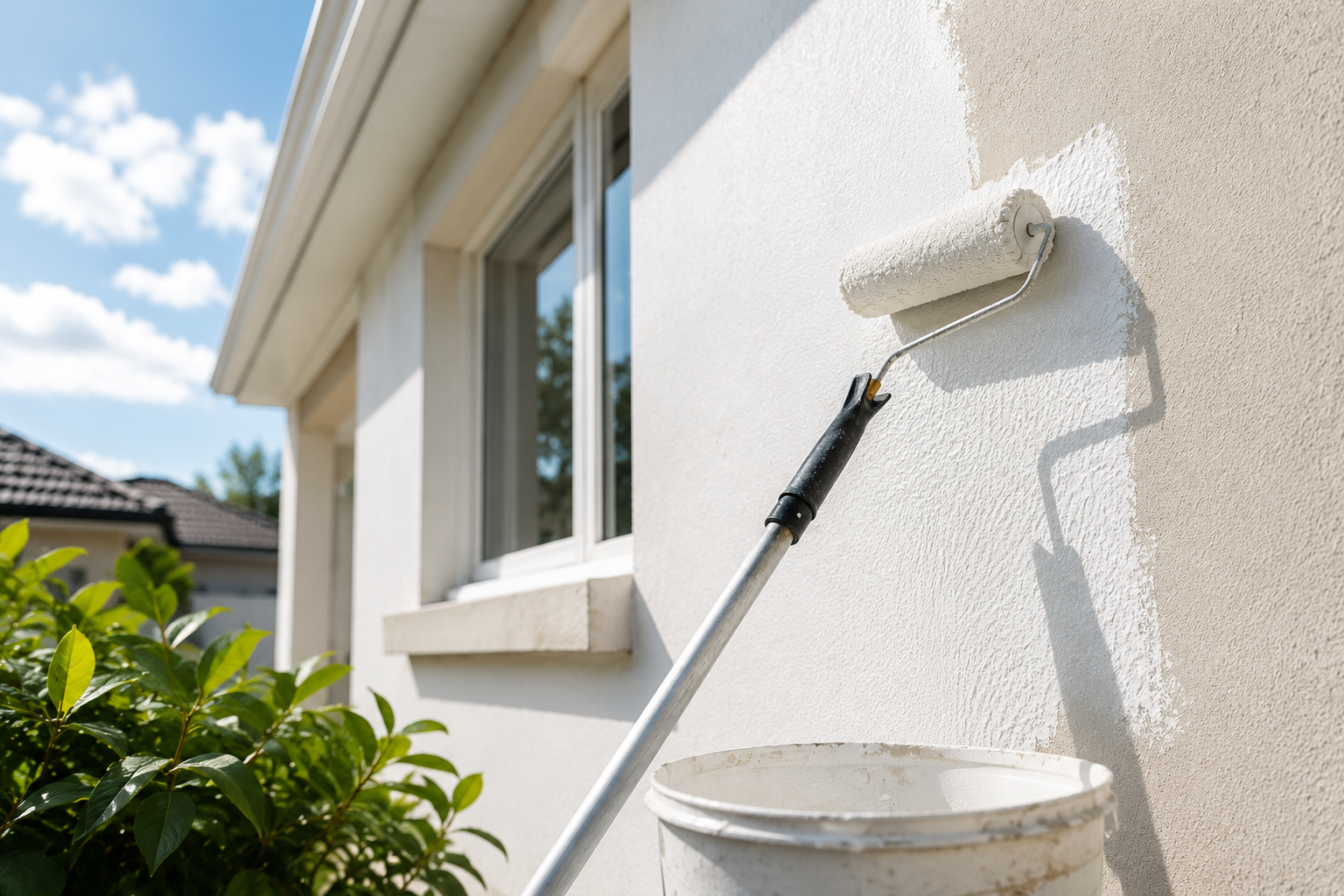
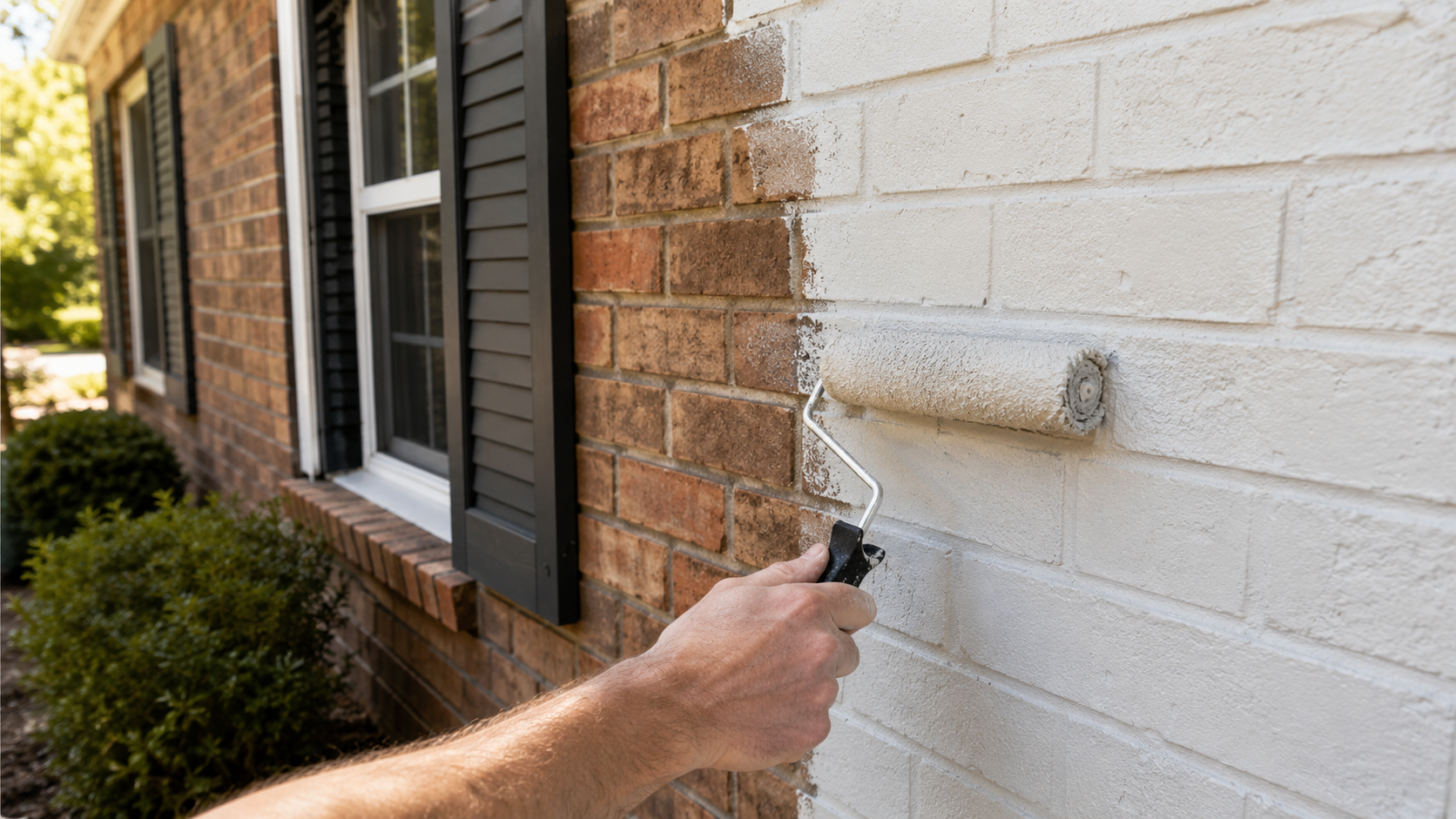
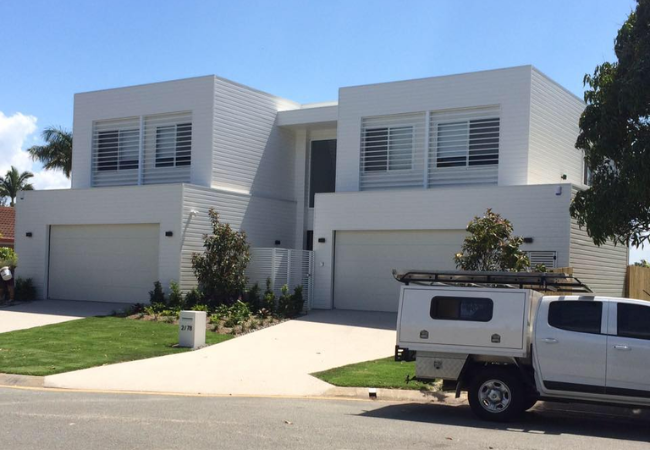
Exterior painting usually takes longer than interior work. A smaller single-storey home may take around three to five days, while a larger home or a two-storey property can take a week or more. If the exterior needs a lot of prep, repairs, or extra coats, the job can take longer again.
A big reason for this is the amount of preparation involved before the painting even starts. Washing down the surfaces, scraping loose paint, sanding, patching, priming, and setting up safe access all take time. On top of that, exterior work depends heavily on the weather, so rain, humidity, or poor drying conditions can slow the job down.
The type of surface also makes a difference. Timber, render, weatherboard, brick, eaves, trims, and detailed features all need their own level of prep and care. Even when two homes look similar from the street, the actual time needed can vary a lot depending on the condition of the exterior and how much detail is involved.
What Affects How Long It Takes to Paint a House?
Several things can change the timeline of a painting job, even when two houses look similar in size.
- Size of the house: A larger home usually takes longer to paint because there is more surface area to cover.
- Condition of the surfaces: If the walls, ceilings, or exterior surfaces need repairs, sanding, patching, or scraping, the job will take longer before painting even begins.
- Prep work required: Washing down surfaces, masking, protecting floors and furniture, priming, and setting up access all add time to the overall job.
- Number of coats needed: Some jobs need more than one coat to get the right finish, especially if there is a major colour change or the old paint is worn.
- Interior or exterior work: Exterior painting often takes longer because of weather, drying conditions, and the extra prep that is usually involved.
- Access and detail: High ceilings, stairwells, trim work, doors, frames, and hard-to-reach areas can all slow the job down.
- Weather conditions: For exterior work, rain and humidity can affect drying time and delay progress.
Average Painting Timelines by Project Type
The easiest way to estimate how long a painting job might take is to look at the type of project first. While every house is different, the table below gives a general guide for common interior and exterior painting jobs. It is a useful starting point, but the final timeframe will still depend on the condition of the surfaces, the amount of prep required, and the level of detail involved.
Your local painter can advise of this if you have timeline constraints.
| Project Type | General Timeframe |
|---|---|
| One standard room | 1 to 2 days |
| Several rooms inside the home | 2 to 4 days |
| Full interior repaint for a standard family home | 3 to 7 days |
| Small single-storey exterior repaint | 3 to 5 days |
| Larger or two-storey exterior repaint | 5 to 10 days |
| Painting job with repairs and heavy prep | Longer again, depending on the work involved |
What Can Slow the Job Down?
Some painting jobs move quickly, while others take longer because of what needs to happen before the finish coats go on.
- Surface damage: Peeling paint, cracks, water damage, and rough patches all need attention before painting starts.
- Extra prep work: Scraping, sanding, patching, priming, and washing down surfaces can add a fair bit of time to the job.
- More detailed areas: Doors, frames, skirting boards, trims, stairwells, and other detailed sections usually take longer than broad wall spaces.
- Harder access: Two-storey homes, tight spaces, high ceilings, and areas that need ladders or extra setup can slow things down.
- Multiple coats: Some colours and surfaces need extra coats to get proper coverage and an even finish.
- Weather delays: For exterior painting, rain and humidity can affect drying time and push the schedule out.
That is why a proper quote is about more than just the size of the house. Two homes can look similar on paper but take very different amounts of time once the real condition of the surfaces and the level of prep are taken into account.
Is It Faster to Hire a Professional Painter?
In most cases, yes. A professional painter will usually get the job done faster because the work is planned properly from the start and each stage follows on from the one before it. Prep, painting, drying time, and clean-up are all handled as part of the process, rather than being worked around bit by bit.
Experience also makes a difference. Professional painters know how to prepare surfaces properly, spot issues early, and keep the job moving without cutting corners. That can save a lot of time compared with a DIY job, especially on larger projects or homes that need repairs, detailed prep, or more than one coat.
That does not mean every job will be rushed. A quality paint job still takes time to do properly. The difference is that with a professional team, the timeline is usually more realistic, more efficient, and easier to manage from start to finish.
Need a More Accurate Timeline for Your Home?
A general guide can only take you so far. The real timeframe comes down to the size of the job, the condition of the surfaces, how much prep is needed, and whether there are any details that could slow things down once work starts.
Simon Ac Painting can assess your home properly and give you a more realistic idea of how long the job should take, along with clear advice on what is involved from the start.