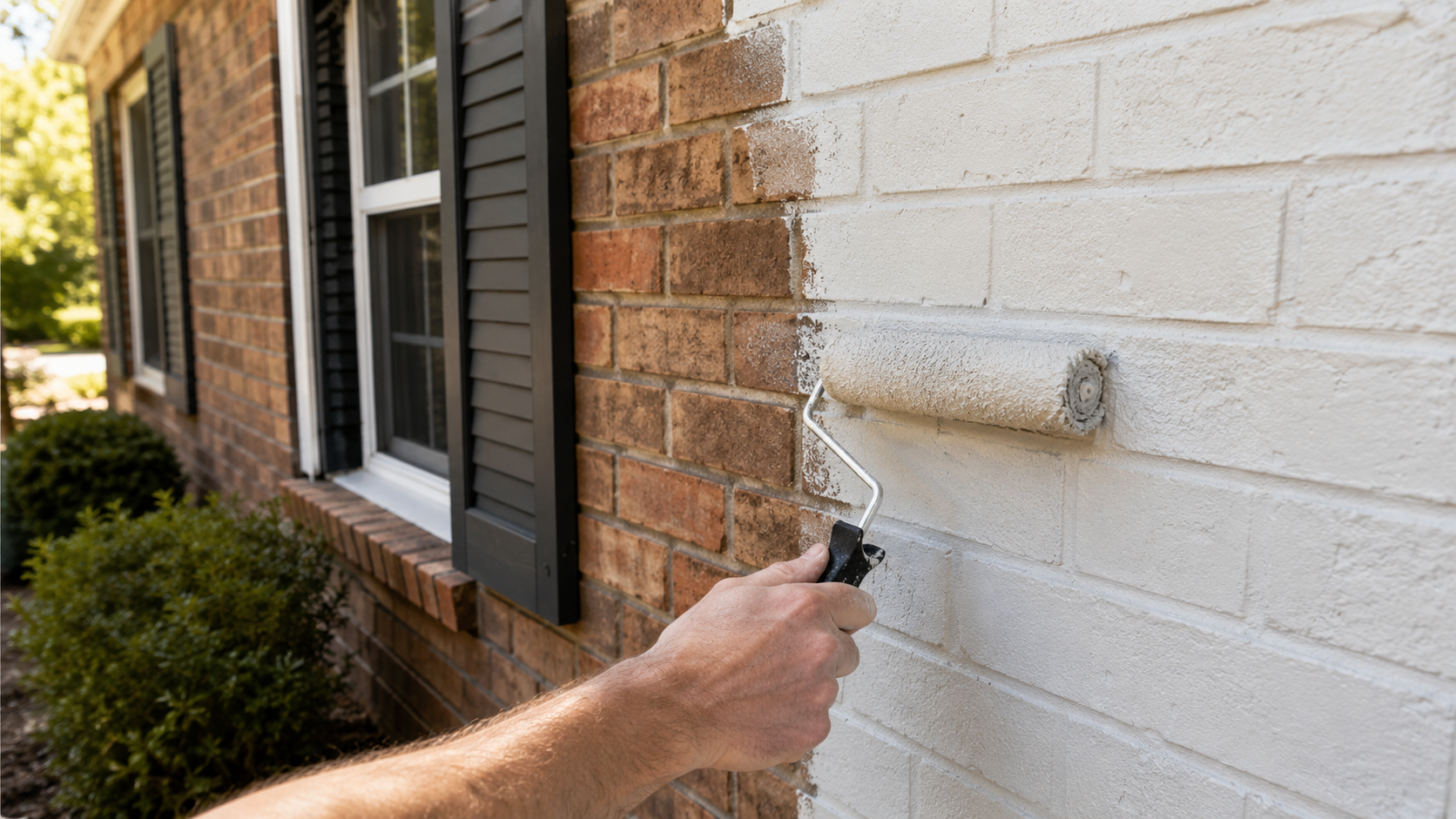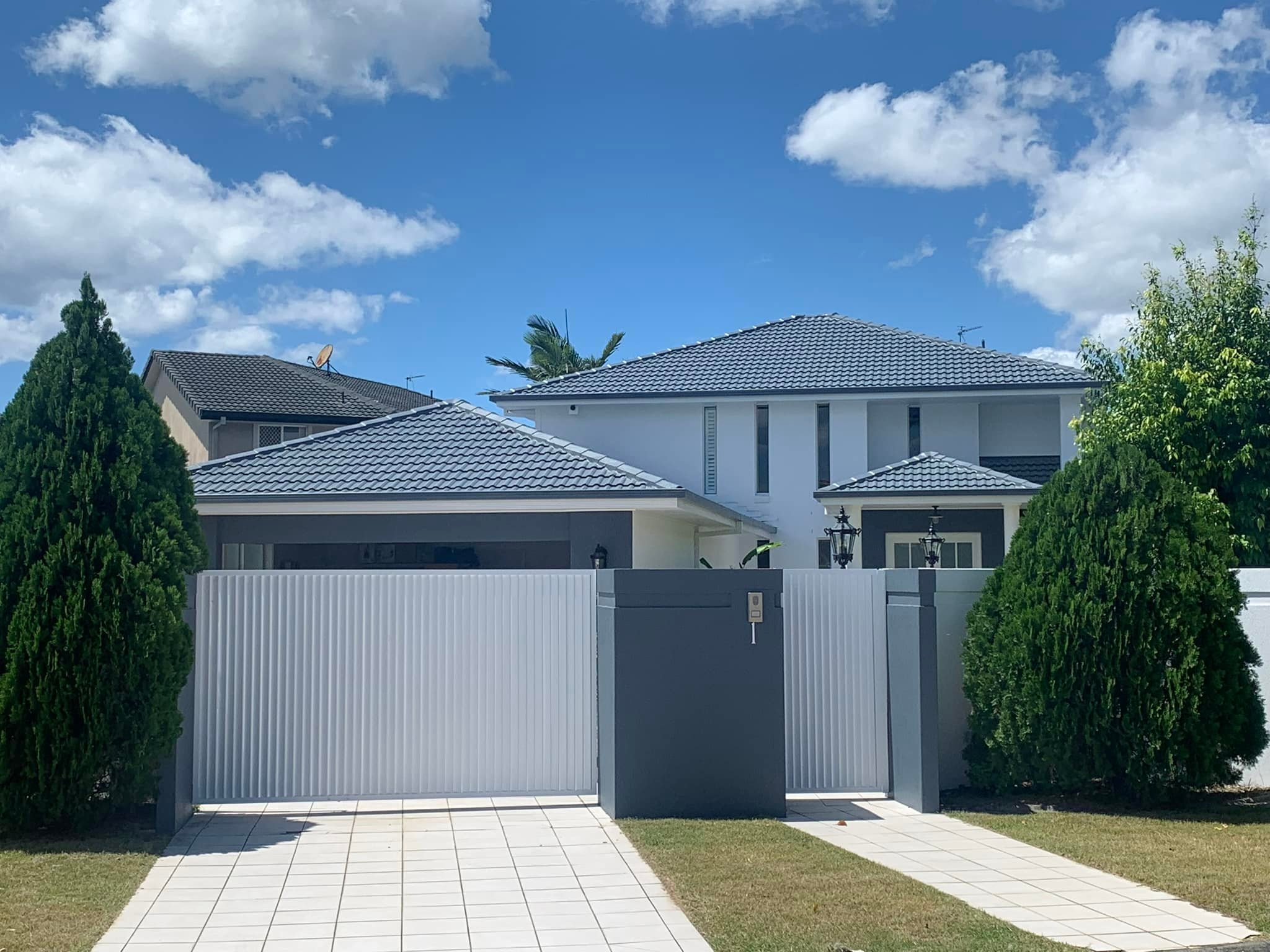
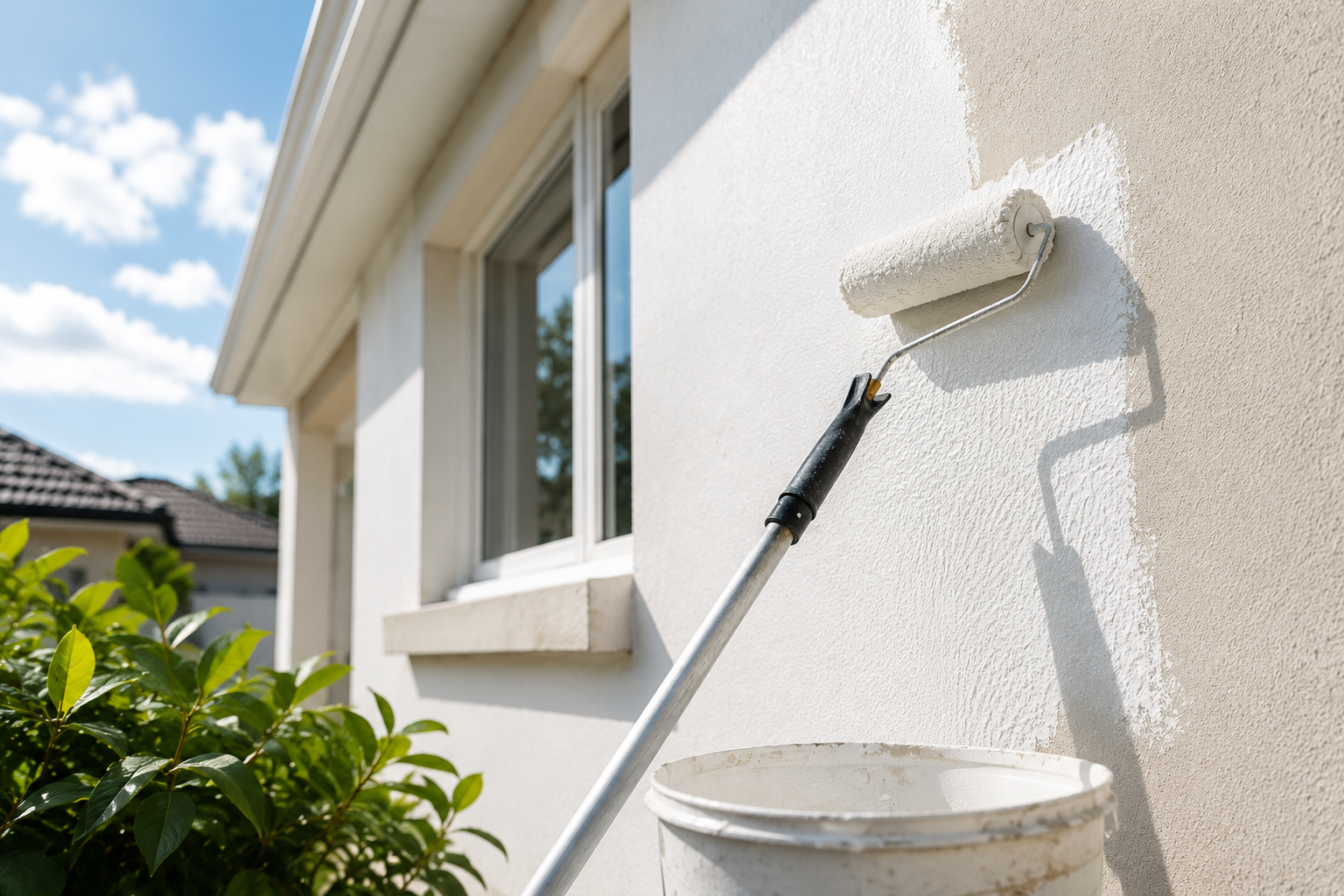
Paint does not usually fail overnight. It fades, chalks, cracks or peels in small stages before the whole house starts to look tired.
As a general guide, most homes need repainting every 5 to 10 years. Exterior paint may need attention sooner, especially on Gold Coast homes exposed to strong sun, humidity, salt air and heavy rain. Interior paint can last longer, but busy rooms, doors, trims and hallways often show wear earlier.
The right timing depends on the surface, the weather exposure, the quality of the paint and how well the last paint job was prepared.
This guide explains how long house paint lasts, what signs to look for, and how to tell whether your home needs a full repaint, a partial repaint or simple touch-ups.
How Long Does House Paint Last?
House paint often lasts between 5 and 10 years, but not every part of the home ages at the same speed.
The easiest way to think about repainting is to separate the home into areas that face weather, areas that face daily use and areas that only need occasional upkeep.
| Area | Typical repainting timeline | Why it varies |
|---|---|---|
| Exterior walls | 5 to 10 years | Sun, rain, salt air, humidity and surface condition |
| Interior walls | 5 to 10 years | Room use, sunlight, cleaning and paint finish |
| High-use rooms | 3 to 5 years | Marks, moisture, grease, scuffs and frequent cleaning |
| Doors, trims and skirting boards | Often before walls | These surfaces get touched, bumped and cleaned more often |
| Coastal or exposed exterior surfaces | May need attention sooner | Salt air, wind, full sun and moisture can speed up wear |
These timelines are useful, but the condition of the paint matters more than age alone. If the paint still looks even, cleans well and protects the surface, you may not need to repaint yet.
If it is peeling, cracking, bubbling or exposing the surface underneath, it is time to take a closer look.
Why Some Homes Need Repainting Sooner Than Others
Two homes can be painted in the same year and age very differently.
One may face harsh afternoon sun. Another may sit closer to the coast. One may have had careful preparation before painting, while another may have been painted over old chalky or loose paint.
Preparation is one of the biggest factors. Paint needs a clean, dry and sound surface so it can bond properly. If a wall has loose paint, moisture, cracks, dirt or chalky residue before painting, the new finish may break down sooner.
Paint quality also affects the result. Quality paint usually gives better coverage, stronger colour hold and better protection. The right finish matters too. A bathroom wall needs a finish that can handle moisture and cleaning. An exterior wall needs paint that can stand up to sun, rain, humidity and coastal air.
The home itself also plays a role. Timber, render, weatherboard, fibro, painted brick and trims can wear at different speeds. Interior rooms follow the same pattern. A hallway or kitchen will usually need repainting before a spare bedroom because it gets more daily use.
That is why the answer is a range, not one fixed number. The surface will usually tell you more than the calendar.
How Often Should You Paint the Exterior of Your House?
Most exterior paint needs repainting every 5 to 10 years. On the Gold Coast, some homes may need repainting sooner because the climate can be tough on painted surfaces.
Sun can fade colour and dry out paint. Salt air can affect homes closer to the beach. Humidity and shaded areas can create conditions where mould, mildew or peeling become more likely.
Some parts of the exterior often show wear first, including:
- timber trims
- front doors
- garage doors
- window frames
- fascia boards
- western-facing walls
- walls close to gardens or moisture
- exposed upper-level sections
These areas are worth checking before assuming the whole home needs repainting. Sometimes the main walls still look sound, while trims, doors or one exposed side of the house need attention first.
If paint has started to peel, crack, bubble or expose the surface underneath, repainting becomes more than a visual update. It helps protect the home from moisture and weather.
How Often Should You Paint Inside Your House?
Most interior paint lasts 5 to 10 years, but the repainting timeline depends on how the room is used.
Some rooms stay fresh for years. Others take daily contact, moisture, cooking residue, fingerprints and cleaning. This guide can help you work out which areas may need attention first.
Interior paint may not fail in the same way exterior paint does. It may simply stop cleaning well. If marks stay visible after wiping, or the finish looks dull even when the room is clean, repainting can make the space feel fresh again.
If you are preparing to sell or lease the home, repainting tired rooms can also improve presentation before photos, inspections or tenant handover.
Signs Your House Needs Repainting
A faded wall does not always mean your house needs urgent repainting. Some fading is mainly cosmetic at first.
Other signs matter more because they show the paint may no longer be protecting the surface properly.
Look for:
- faded or uneven colour
- peeling paint
- cracked paint
- bubbling paint
- chalky residue on exterior walls
- mould or mildew that keeps returning
- stains that do not clean off
- exposed timber or bare patches
- gaps around trims, frames or joins
- paint that still looks tired after cleaning
The best clue is often how widespread the issue is. A few marks in a hallway may only need touch-ups. Peeling across several exterior walls may point to a larger problem.
It also helps to think about the difference between tired paint and failed paint. Tired paint can make a home look older. Failed paint can leave the surface exposed to moisture and weather.
Does Your House Need a Full Repaint or Just A Touch-Up?
A full repaint is not always the right answer.
If most of the paint is still sound, a smaller job may be enough. You may only need to repaint one sun-exposed wall, refresh trims and doors, repaint a high-use room, or touch up marks before selling or leasing.
A partial repaint can make sense when the wear is isolated. For example, one exterior wall may face more sun than the rest of the home. A hallway may look tired while the bedrooms still look clean. Doors and skirting boards may show scuffs before the walls need work.
A full repaint may be the better choice when paint is failing across several areas, the colour has faded unevenly, many rooms need repainting or the exterior no longer looks consistent. It may also make sense when previous touch-ups no longer blend well.
This is where honest advice matters. A painter should look at the surface, not just the age of the paint, before recommending the next step.
How to Make House Paint Last Longer
Paint lasts longer when the surface is prepared properly and the right products are used.
Good preparation gives paint the best chance to bond. That may include cleaning, sanding, scraping loose paint, filling small cracks, sealing gaps and priming bare or repaired areas before painting.
The finish also matters. A bathroom needs a paint finish that can handle moisture. A hallway may need a finish that cleans well. Exterior surfaces need paint that can handle sun, rain, humidity and coastal air.
To help your paint last longer:
- Wash exterior surfaces when dirt, salt or mildew builds up
- Clean interior marks before they settle into the finish
- Fix small cracks and gaps early
- Improve airflow in bathrooms and laundries
- Use the right paint finish for each surface
- Choose quality paint
- Avoid painting over dirty, loose or damaged surfaces
This is one of the main reasons preparation matters so much. The final coat is what you see, but the work underneath often decides how long it lasts.
Need Advice on Repainting Your Gold Coast Home?
If you are not sure whether your home needs a full repaint or only selected areas refreshed, Simon Ac Painting can inspect the surfaces and give you clear advice.
Your home may need a full repaint. It may only need trims, doors, high-use rooms or exposed exterior areas refreshed. The right answer depends on the surface condition, weather exposure and what you want to achieve.
Simon Ac Painting provides interior and exterior painting for homes, businesses and strata properties across the Gold Coast and South Brisbane. With 28+ years of painting experience, Dulux Accredited Painter status, and licensed and insured workmanship, our team focuses on proper preparation, clean work and a finish that lasts.
Request a free quote today.
FAQs
How often should you paint the outside of your house?
Most homes need exterior repainting every 5 to 10 years. Gold Coast homes may need attention sooner if they face strong sun, salt air, humidity or heavy weather exposure.
How long does interior house paint last?
Interior house paint often lasts 5 to 10 years. High-use rooms such as hallways, kitchens, bathrooms and laundries may need repainting every 3 to 5 years.
Can I wait another year before repainting?
You may be able to wait if the paint is only lightly faded and the surface is still sound. You should act sooner if the paint is peeling, cracking, bubbling or exposing the surface underneath.
Does paint last as long near the beach?
Paint may not last as long near the beach. Salt air, sun, wind and moisture can wear exterior coatings faster, especially on exposed walls, trims and doors.
Why is my exterior paint peeling so soon?
Exterior paint can peel early if the surface was not prepared properly, moisture is trapped underneath, the wrong paint was used or the surface faces heavy sun, rain or salt air.
Can I repaint only part of my house?
Yes. Partial repainting can work if only certain areas show wear, such as one exterior wall, trims, doors, a hallway or a high-use room.
Should I repaint my house before selling?
Repainting can help before selling if the paint looks tired, marked, faded or uneven. You may not need to repaint the whole home. In many cases, refreshing key rooms, trims, doors or visible exterior areas can improve presentation before photos and inspections.
What makes a paint job last longer?
A paint job usually lasts longer when the surface is cleaned, repaired, sanded where needed and painted with quality products. The right paint finish and regular maintenance also help.