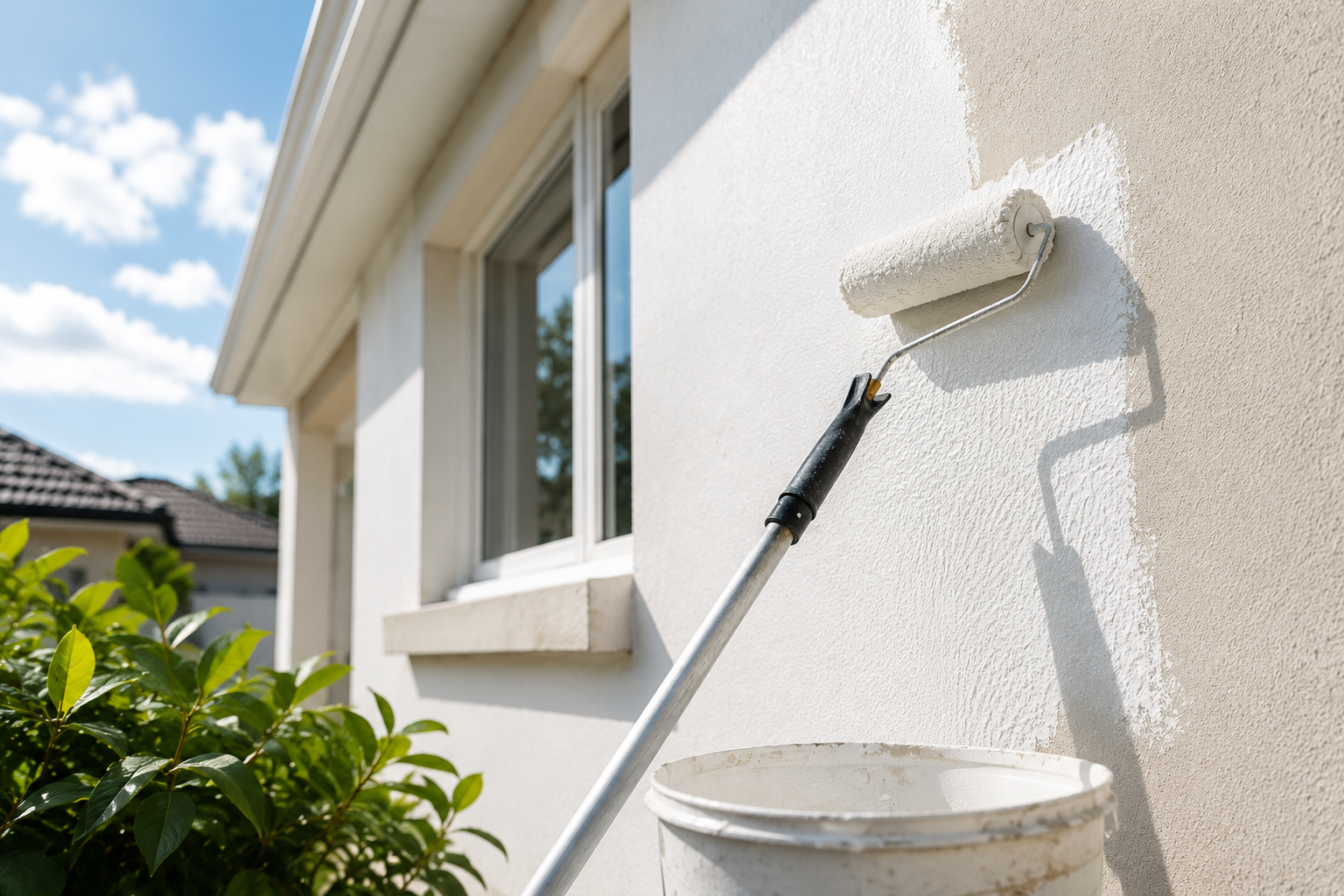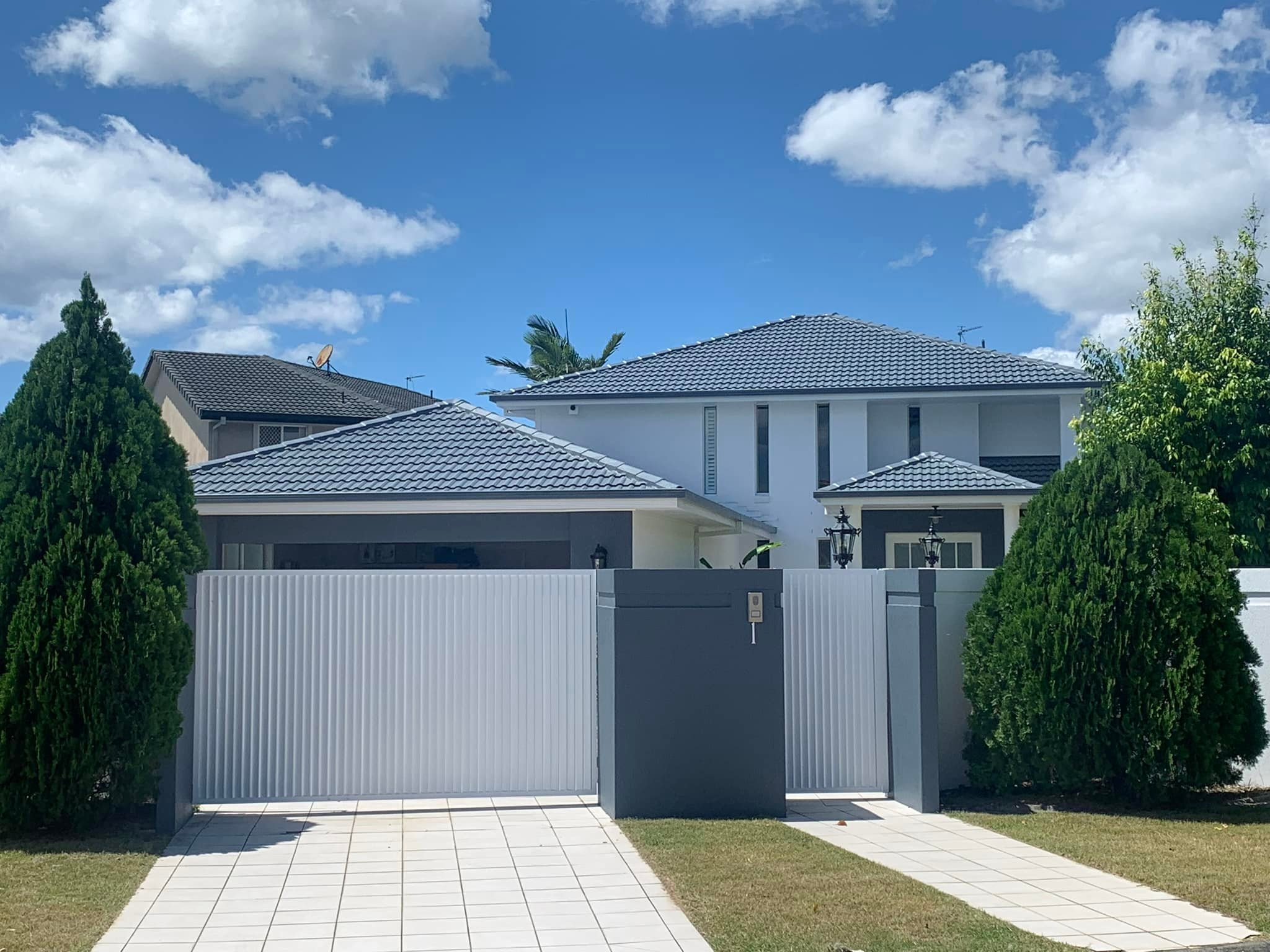
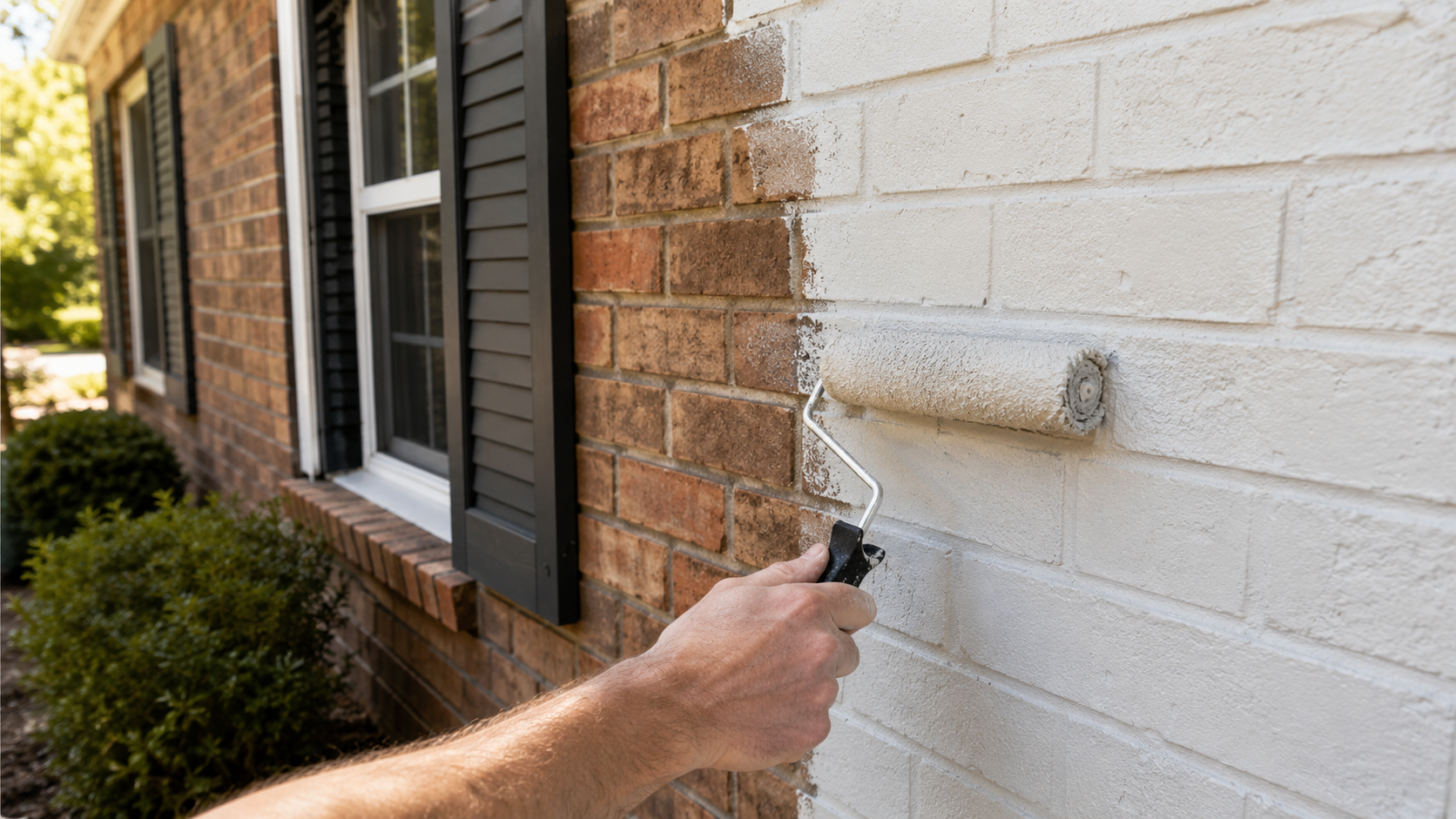
Painting a brick house can be a great way to update the look of your home, but it needs to be done with the right prep and the right products. Brick behaves differently to many other exterior surfaces, so it is worth understanding what is involved before making the call.
A painted brick exterior can give an older home a cleaner, more modern look, but the final result depends on more than colour alone. The condition of the brick, any moisture issues, the coating system, and the quality of the prep all affect how well the finish will look and last.
It is also worth remembering that once brick is painted, it becomes a painted surface that will need ongoing maintenance. In this guide, we break down the pros and cons, when painting brick makes sense, what to check before you start, and what needs to happen for the job to be done properly.
Can a Brick House Be Painted?
Yes, a brick house can be painted, and when it is done properly, it can completely change the look of the exterior. Painted brick can freshen up an older home, modernise dated colours, and give the property a cleaner, more finished feel.
The key is doing it the right way. Brick is porous, which means it needs proper cleaning, preparation, and the right coating system before any paint goes on. If those steps are rushed or the wrong products are used, the finish can fail much sooner than it should.
So while brick can definitely be painted, the better question is whether it should be painted in your case and what needs to happen first to get a result that lasts.
Is Painting Brick the Right Move for Your Home?
If you are looking at an older brick home and thinking it feels dated, heavy, or out of step with the rest of the property, painting it can be a smart move. A painted brick exterior can freshen up the whole home, soften harsher brick tones, and give the place a cleaner, more updated look without changing the structure itself.
That said, it is not the right choice for every home. If the brick is still in good condition and suits the style of the property, leaving it natural may make more sense. The same goes for homes with moisture issues, crumbling mortar, or brickwork that needs repairs before any coating goes on.
The main thing to think about is the long-term result you want. If your goal is to modernise the exterior and you are happy to maintain it like any other painted surface, painting brick can work really well. If you are unsure, the best place to start is with the condition of the brick itself, not just the colour you want to see.
Pros of Painting a Brick House
Painting a brick house can have a big impact on the overall look of the property, especially if the existing brick feels dated or too heavy visually. One of the biggest advantages is that it can give the home a cleaner, more updated appearance without the cost of major structural changes.
It can also help tie the exterior together. If the roof, render, trims, windows, or landscaping have already been updated, painting the brick can make the whole home feel more consistent and better finished.
For some properties, painted brick can also improve street appeal. A well-chosen colour and a quality finish can make the house feel fresher, lighter, and more in line with the style the owner is trying to achieve.
When it is done properly, painting brick can also add a layer of protection to the surface. The key is using the right products and making sure the brick is prepared correctly before any coating goes on.
Cons of Painting a Brick House
Painting brick also comes with trade-offs, and it is important to understand those before making the call. One of the biggest is that painting brick is very hard to reverse. Once the surface is painted, going back to the original natural brick look is not simple.
It also turns the brick into a painted surface that will need maintenance over time. Like any painted exterior, it can eventually need cleaning, touch-ups, or repainting as it ages and weathers.
The other main risk is poor preparation or the wrong paint system. If the brick is not cleaned properly, if moisture issues are missed, or if the wrong product is used, the finish can peel, flake, or wear unevenly much sooner than it should.
That does not mean painting brick is a bad idea. It just means the decision needs to be based on the condition of the home, the long-term look you want, and whether you’re happy to hire a professional to do it right.
What You Need to Check Before Painting Brick
Before painting brick, the first thing to check is the condition of the surface itself. Brick may look solid from a distance, but issues like moisture, crumbling mortar, mould, mildew, or efflorescence can cause problems later if they are painted over. These need to be identified and dealt with before any coating goes on.
It is also important to check whether the brick has already been painted or sealed, because that can affect adhesion and the type of prep required. If the home is near the coast, salt build-up and humidity can make preparation even more important. We recommend checking for mould, mildew, damaged mortar, and salt-related exposure before painting, especially in coastal conditions.
In short, painting brick starts with the condition of the brick, not the colour chart. If there are signs of damage, moisture, or surface contamination, those need to be sorted out first if you want the finish to last.
How Brick Should Be Prepared Before Painting
In our experience, preparing your brick is what makes the biggest difference to how the finish looks and how well it holds up over time. Brick is porous, it can hold moisture, and it often has surface issues that are easy to miss if you only look at the colour and not the condition.
- Start with a proper surface check: Before anything else, the brick needs to be assessed for moisture issues, loose mortar, cracks, flaking, mould, mildew, or salt staining. If those problems are there and they are painted over, the finish is far more likely to fail later.
- Clean the brick thoroughly: Brick needs to be free from dirt, dust, chalky residue, mould, mildew, and any loose material before painting starts. If the surface is not properly cleaned, the paint system has a much weaker base to bond to.
- Make sure the surface is fully dry: This is a big one with brick. Because brick is porous, it can hold moisture longer than people expect. If primer or paint goes onto damp brick, you are already creating a risk for peeling, bubbling, or uneven wear.
- Repair cracks and mortar issues first: Paint will not hide or fix damaged brickwork. Cracks, worn mortar joints, and surface damage need to be dealt with before painting so the wall is stable and the finished result looks consistent.
- Use a primer suited to masonry: Brick is not a surface where you want to take shortcuts. A proper masonry primer helps the coating system bond correctly and gives the topcoats a much better chance of lasting the way they should.
- Choose the right paint system for brick: This is where product choice really matters. The coating needs to suit masonry and allow the surface to perform the way it should, rather than trapping problems underneath. Using the wrong system is one of the quickest ways to end up with early paint failure.
What Type of Paint Should You Use on Brick?
Brick needs a paint system made for masonry, not a standard exterior paint chosen on colour alone. Because brick is porous, the coating needs to bond properly, suit the surface, and help the finish hold up over time. The stronger Australian pages on this topic consistently point to the same basics: use a masonry primer first, then a quality exterior coating suited to brick.
From our side, this is one of the areas where the right advice matters most. The best result usually comes from matching the primer and topcoat to the condition of the brick, whether it has been sealed before, and how exposed the house is to weather. If the system is wrong, even good prep can be let down by early peeling, flaking, or moisture-related issues.
Thinking About Painting Your Brick House?
If you’re located on the Gold Coast or South Brisbane and thinking about painting your brick house, getting the right advice early can save a lot of time, cost, and frustration later. At Simon Ac Painting, we can assess the condition of the brick, and provide a free no-obligation quote.
Get your brick painted professionally for the best outcome every time.